

Hackathon mentor sessions: the queue, schedule and question handover
How to organize mentor sessions: map expertise, set up a queue, assign questions and hand unfinished consultations to the next shift.
Stavleak4 min read
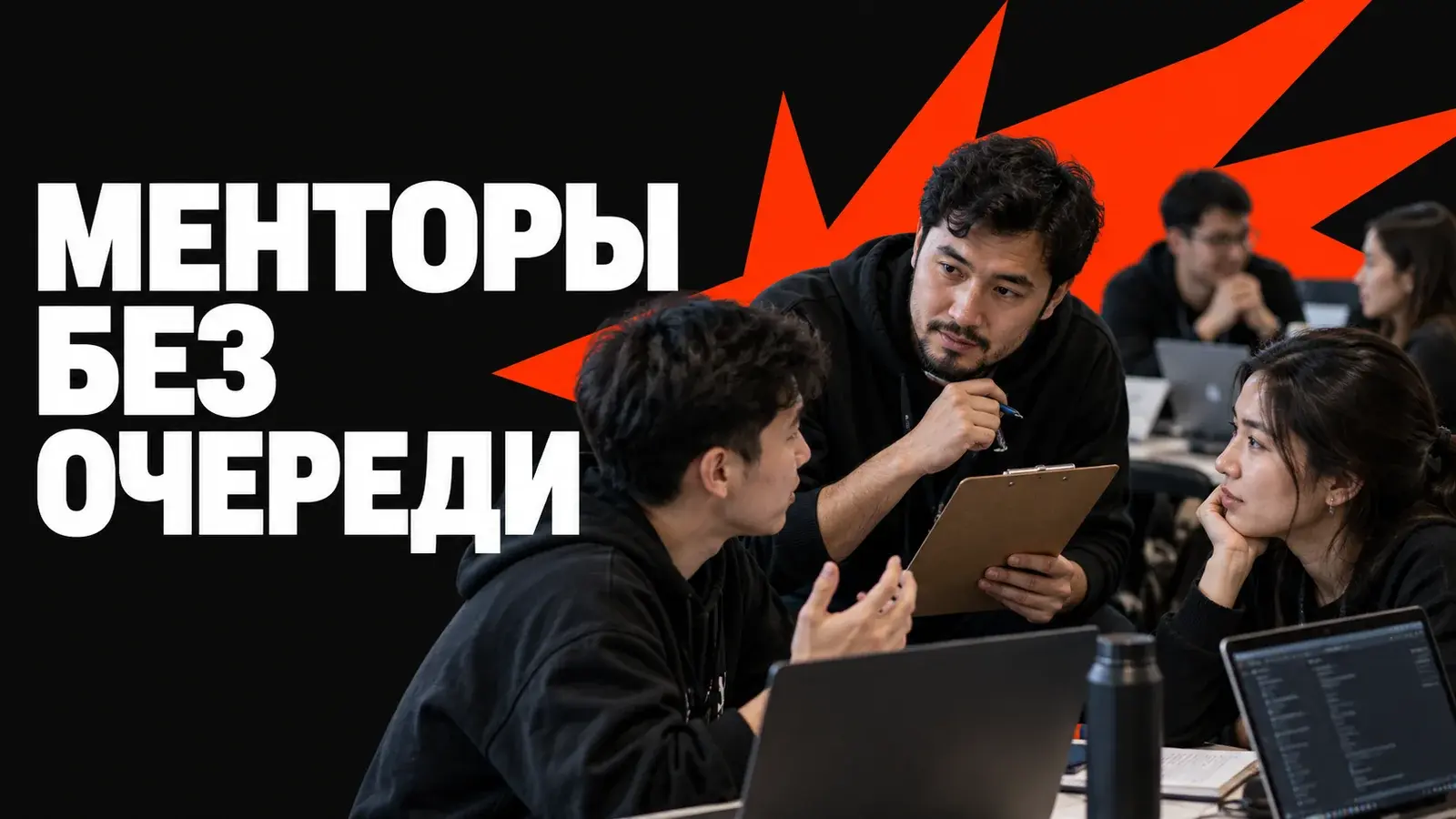
How to organize mentor sessions: map expertise, set up a queue, assign questions and hand unfinished consultations to the next shift.
A hackathon can have enough mentors and still leave teams waiting for help. One expert answers direct messages, another does not know where to find requests, and a third is in a long consultation. Organizers need a visible process: who accepts a question, who receives it next and when the team hears about the next step.
Build the process around participants’ requests. The number of invited experts helps with planning, but it does not show whether someone received the help they needed. Follow an individual question from submission to a clear resolution.
Ask each mentor to name several topics they can help with and the limits of their support. “Development” is too broad. “Browser request errors,” “testing a product hypothesis” or “building a hardware prototype” make it easier to direct a question.
Record confirmed availability, the contact format and a contact for changes of plan. Do not treat “I’ll be around” as a confirmed shift. The support team needs to know who they can reach at a particular moment.
The MLH mentorship guide suggests dedicated hours, a request channel and clear instructions for experts. The following is one practical way to organize this; the organizer chooses its timings and rules for their event.
Use Stavleak’s mentor and judge calculator to make an initial estimate of mentor numbers. Then compare it with the actual people’s available hours and areas of expertise.
The request form should help a consultation begin. Ask for the team name, location or room link, topic, expected outcome and what the team has already checked. For a technical error, a safe example and an error message without secrets are useful.
Do not require a long report before offering any help. If a participant cannot describe the problem, a coordinator can help narrow it down. However, “look at our whole project” needs to become a specific question before you assign an expert.
Useful queue states are: accepted, expert assigned, consultation in progress, next step needed and completed. Each active request has an owner. When a question moves to another mentor, the previous owner remains responsible until the handover is confirmed.
Explain how requests are handled. For example, first match the required expertise, then consider the arrival time. You can treat a shared technical failure that blocks many teams separately. The coordinator and participants should understand any exception.
Do not promise an exact start time if consultation lengths often vary. Give an estimate and an update channel. If no suitable expert is available today, say so immediately and offer a possible next step.
You can split a long question into stages. In the first meeting, the mentor helps choose a test; the team runs it themselves and returns with the result. This frees the expert and keeps the team responsible for its project. The guide to working with a mentor covers participant preparation.
Agree the limits of support before the shift begins. Within the event rules, a mentor can ask questions, explain an approach and help find an error. They should not quietly become another project author if that work is prohibited.
Show how to finish a consultation: name a testable hypothesis, agree the next action and record the result in the queue. “We talked” is not enough. A useful note could say: the team will check the API response format and return with an anonymized example.
Discuss cases that need an organizer: a rules dispute, conflict, data access or a technical failure at the venue. Mentors should not invent rules on the spot. Make the written clarification available to everyone it affects.
A few minutes before leaving, the expert reviews unfinished requests with the coordinator. Keep the context, the test performed and the next step for each one. Teams should not have to retell the whole story because the person on duty has changed.
Do not copy entire private conversations into a shared channel. Keep the technical issue and necessary links in the working note. If support requires confidential information, agree a safe method with the data owner.
After the event, identify where people had to wait: a missing specialism, a long form or requests lost between channels. Compare request and consultation start times where you recorded them. These observations are more useful for the next hackathon schedule than the number of meetings alone.